


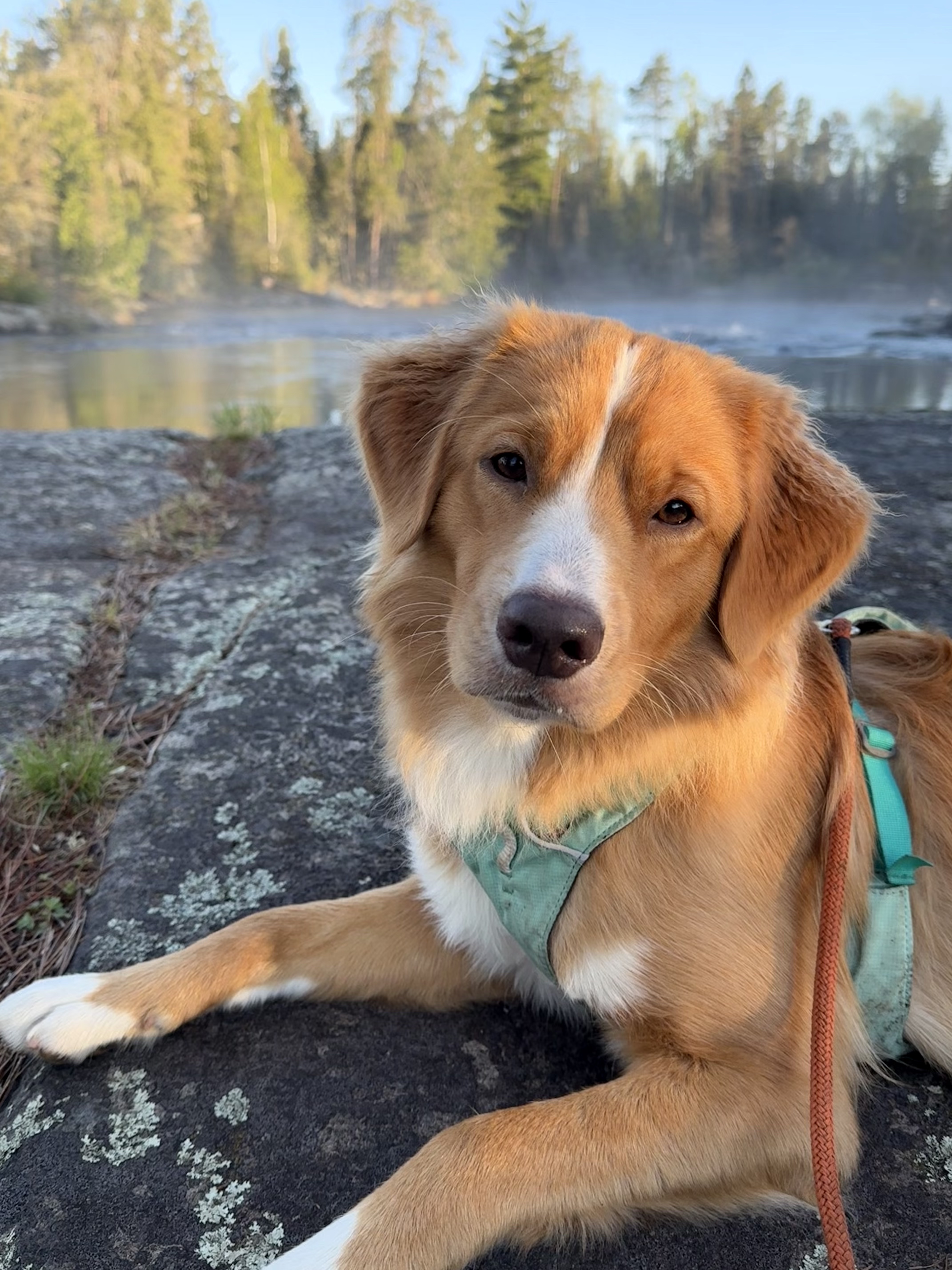
The Magnificent Breakfast Food wishes everyone a merry month of May and hopes it’s been grand all around. He’s had a month full of new experiences and lots of work-related practice. He’s still committing crimes on the daily.

Waffles is growing into a delightful young dog with a wonderful personality. He adapts well to new things and new circumstances and loves to learn. We’ve developed a great working relationship and have settled into a solid training routine.

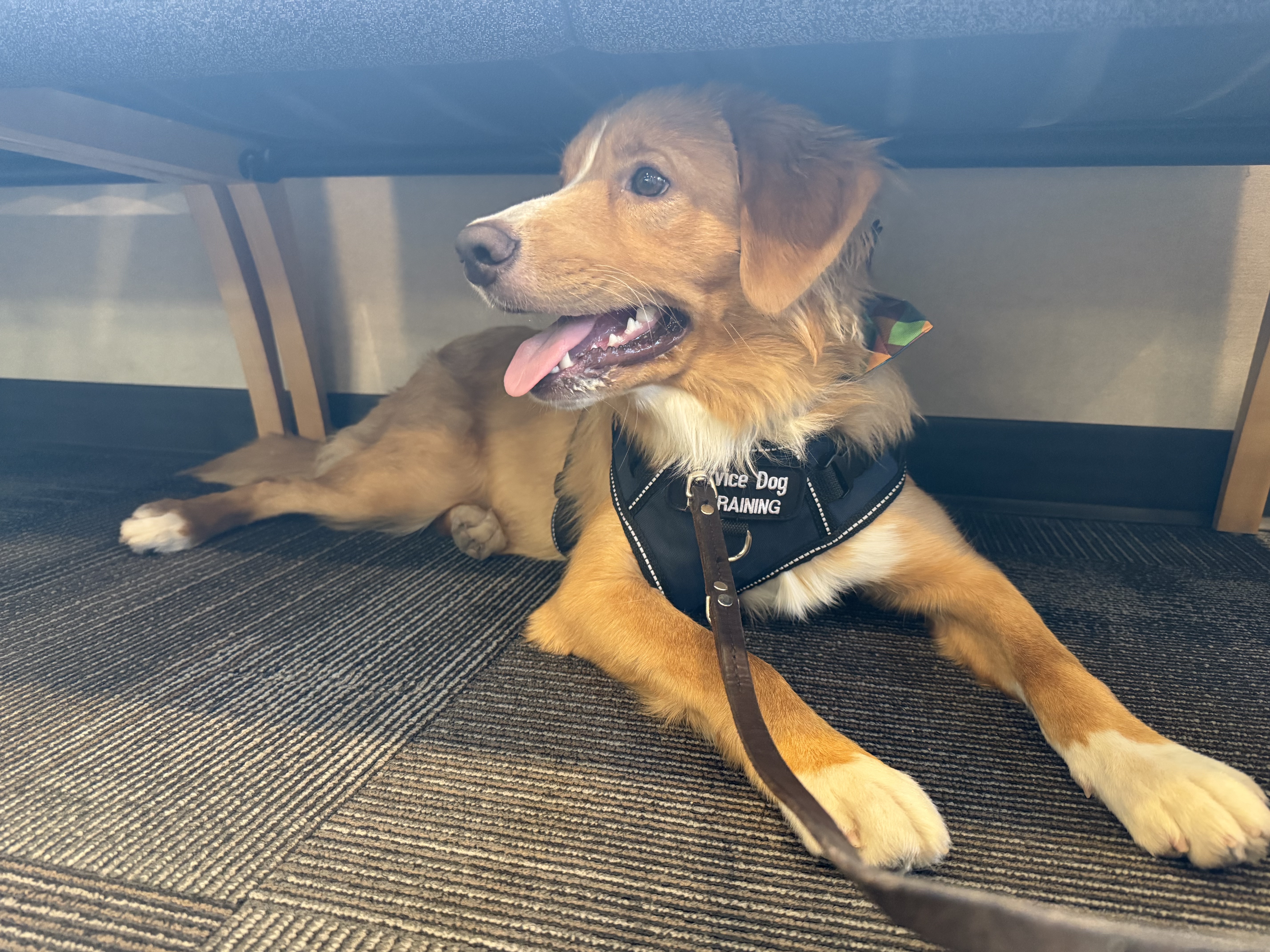
This month, he’s had the opportunity to train in public places, work on a bunch of new skills he’ll need for work, and experience new things. He went on a nearly week-long expedition into the BWCA and had the time of his life.

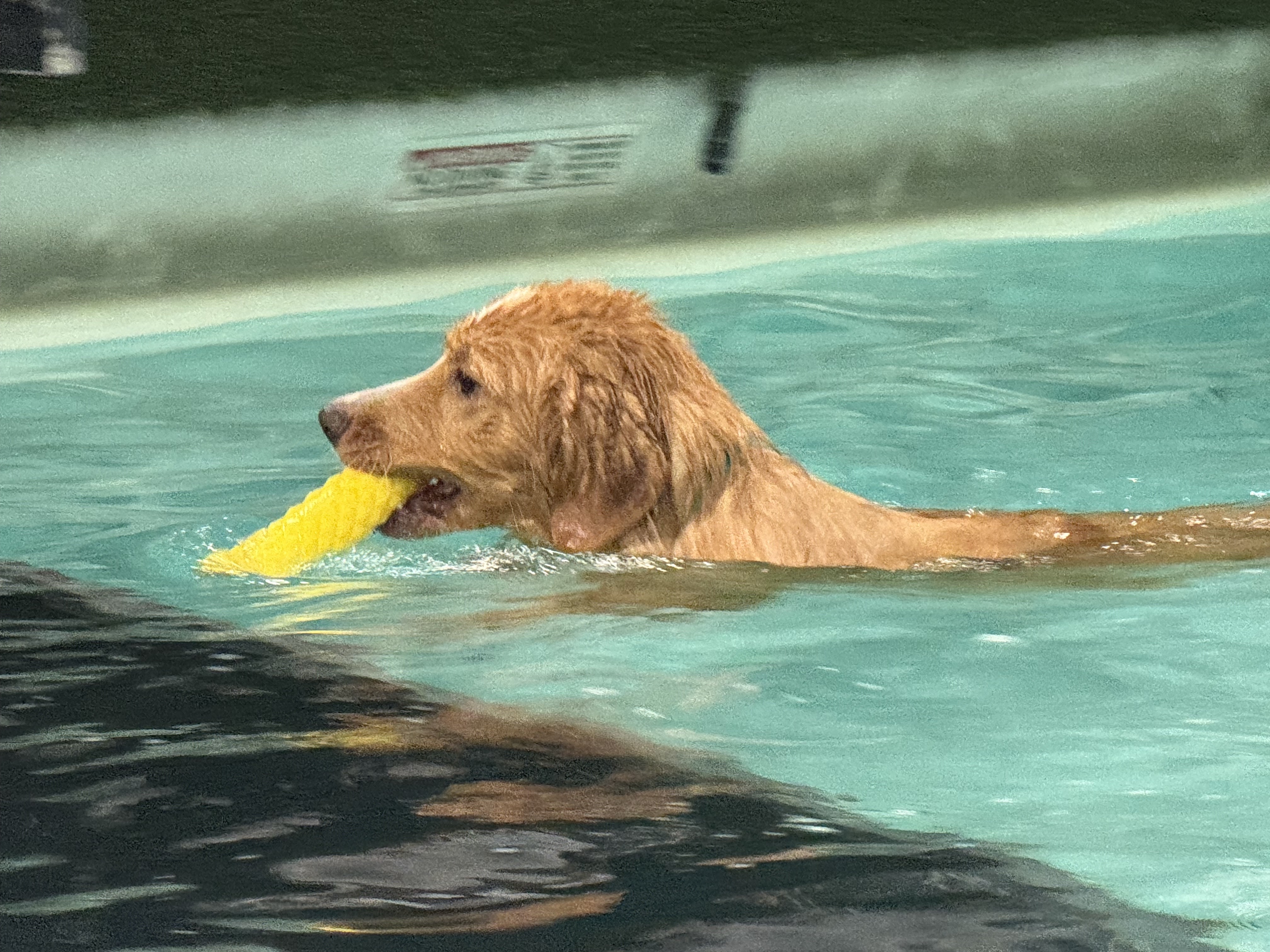
He also got to attend his first one on one Dock Diving lesson and loved it!
He’s continuing to grow into a really steady little dog with a level-headedness that I really appreciate. He’s appropriately cautious, appropriately adventurous, and appropriately pushing boundaries (as he should at this age) all while checking back in with me when he’s unsure.
Adolescence is a time full of weird contradictions. Remember what it was like? As a human, I mean.

As much as anthropomorphizing dogs is a bad idea, there are times when it’s a helpful way to help us work with them through their adolescence. Truth is, adolescent dogs and adolescent humans are very much alike and the way to handle the ups and downs as a “parent” is strikingly similar at times. It’s also a time where things can go really wrong. There’s a reason why so many dogs end up in shelters between the ages of 9 months and 18 months. “Suddenly” our good puppies who were so keen to please turn into moody raptors who push boundaries and pick up a bunch of unpleasant behaviors.
I think there’s a strange sort of gap in dog ownership mentoring when it comes to the needs of the adolescent dog. We really push puppy training and early dog and owner education: Kindergarten! Playgroups! Dunbar’s heavy socialization protocol! Meet new people! Expose to everything! Dog owners usually do great through this. Their puppies behave well in class and face the world head-on. Yes, it’s hard at times — all the chewing, teething, housebreaking, basic command learning — but from the ages of 8 weeks to 5 or 6 months, your puppy is in “Follow” mode. They want to do things with you and please you. And they’re so fluffin’ cute!

Then, seemingly overnight, they grow into awkward teens and develop an attitude. Some trainers call it the 6 month regression — they forget everything you’ve ever taught them, they’re afraid of their own shadow one week and confidently strutting their stuff the next, they have selective hearing, they push boundaries (and their luck), and they develop annoying behaviors.

Your happy puppy who used to get occasional crazies has now turned into a raving lunatic when he’s overtired. He chomps, he chews, he seeks and destroys. He digs. Sweet little Fluffy now barks at strangers and wants to eat the mail carrier. Fido is starting to show signs of dog reactivity. That amazing puppy who heeled like a pro for string cheese in class a few weeks ago is now pulling like a maniac and embarrassing you in public. Class is now a terrible stressor for both you AND your dog. You WANTED to do a particular dog sport and it turns out your teen dog has ZERO interest (or aptitude) for it. What’s a pet parent to do?
All this is familiar to the parents of human teens: You may have wanted Bobby to be interested in computer programing, but it turns out he wants to be a costume designer. You wanted little Molly to be an artist, but she wants to be a politician. Your kid used to love soccer and ballet, but now they’re into sword fighting and D&D instead. They don’t clean up their room. They eat you out of house and home. They have an attitude. They push boundaries and buttons. They try out risky things and want to be independent.
My approach to raising teen dogs is simple — give them space to learn, meet them where they are, reward them for the behavior you want to see, set them up for success, and bump up the socialization instead of disappearing from the public because your dog is going through an asshat phase.
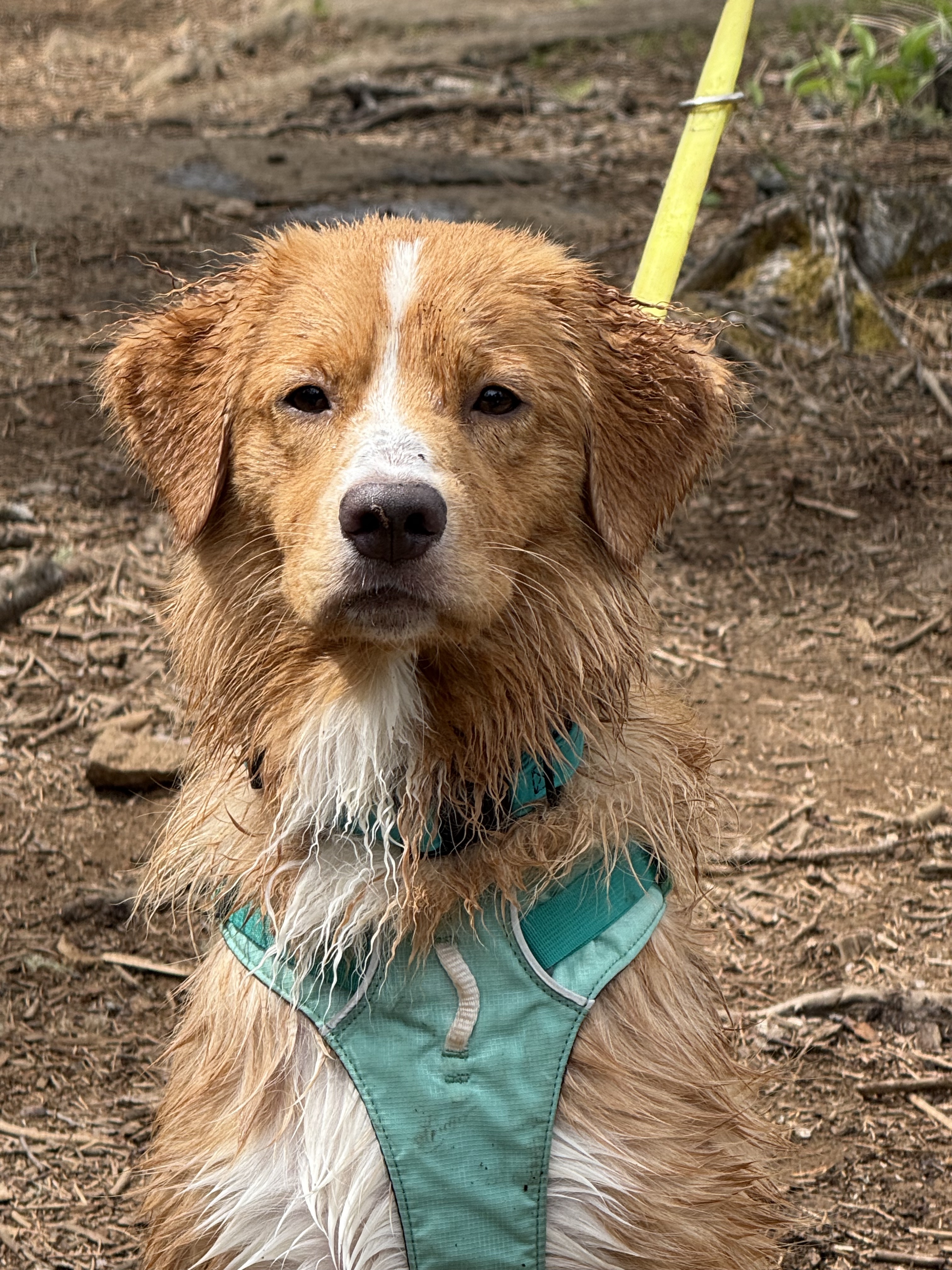
Once a dog hits adolescence, it’s really tempting step back socialization. But socialization lasts a lifetime. Intense socialization (exposure, not flooding — more on that later…) throughout adolescence is what makes a dog bombproof later in life. Note that socialization isn’t about meeting new people and new dogs — it’s about experiencing the world in a neutral way. We do it well with puppies, but why do we stop when they become challenging adolescents instead of working through it? I bet it’s at the root of a lot of problems we see in teen dogs and their poor owners who are pulling their own hair out by the roots. I get it. Little puppies are cute, and everyone is keen to forgive their naughtiness because, well, she’s just a baby! Adolescent dogs look like their adult selves more and more each day. So people mistake the teen dog for an ill-behaved canine citizen whose owner has the brains of a can of refried beans on the back of a shelf at a rural convenience store. We get embarrassed and retreat to our homes and yards to hide the adolescent from the world, hoping they’ll grow out of it. Cute puppies don’t just bloom into wonderful adults. They go through adolescence in all its raw awesomeness and we’re all along for the ride. Might as well embrace it.

Okay, so that’s all fine and good in theory, but what does it mean in practice? Let’s take Waffles as an example!
- Structure is Everything.
- Don’t put the crate away: it’s still their safe place, and it’s what will keep them from getting into mischief when you can’t supervise them. Waffles still naps in his crate, and sleeps in his crate overnight. He comes out happy and ready to do things, every time!
- Enforce naps when the naughtiness begins: When Waffles is overtired, he gets chompy and plays too rough. He also likes to try to hump my leg or arm. Every time this naughtiness begins, I look at my clock and sure enough, he’s been up for an hour and a half to two hours. If I offer him a nap, he plops down and sleeps the crazies off.
- Don’t try to train a tired dog: I mean… can YOU learn anything when you’re overtired and sleepy? Or overtired and wired? Structure your training time when your dog is rested and willing to work for you.
- Keep training sessions short: just because Waffles looks like a grown dog now doesn’t mean he’s not still a puppy. ‘Cause he sure is. We keep sessions short and fun.
- Expose, Explore, Experience, Experiment.
- Expose them to things while giving them the support to succeed. Adolescence is a time when we forget our dogs still need to be exposed to new, interesting, confusing things. It doesn’t stop in early puppyhood. It continues through adolescence. Adolescence is particularly hard because things seem fine one week, and the next they’re afraid of something they’ve never minded before. Keep offering calm leadership and exposing them to the world! Don’t put your dog in a situation that will lead them to reinforce the behaviors you don’t want to see — there’s a difference between exposure and flooding. Think of it this way: say you’re terrified of pigeons and you ask for my help getting over that fear. Putting you in the middle of a flock of switch-blade-armed, mafia-aligned pigeons and their rat lackeys in the middle of a New York City plaza and telling you to be calm while I feed you cheese isn’t going to help you. Even if cheese is your favorite thing in the world, you’re going to be too worried about getting shivved by a pigeon. Ugh. Look at those little beady eyes… waiting for you to turn your back… Meanwhile I’m just standing there yammering about you being good and trying to shove cheese into your cheesehole. Your trust in me will probably go out the window. But if we expose you to a single pigeon — maybe a picture of a pigeon to start and build from there, we’ll build confidence and trust and eventually you’ll probably be able to walk through New York City’s pigeon flocks without freaking out. You may never like pigeons, but you’ll know you’re okay and I’ll be there to walk you through it. The same applies to your dog, no matter what scares them or makes them react in a way that’s inappropriate (for a well-adjusted, adult dog.) The world is big and scary. It’s up to you to teach them you’re to be trusted when you say everything’s fine.
- Explore new places together, just like you did when puppy was little. We took Waffles out to the BWCA recently. World’s longest dog walk and dog swim! He got to sniff, explore, taste stuff, climb, slip around rocks, figure out how his body works in space. We visit new places and explore together. When Waffles gets a little concerned, he comes to check in with me and I encourage him to “go see”. He goes through short periods where he worries about new things more than he did before, but those times always pass.
- Experience new things. Go to block parties. Garage sales. Festivals. Markets. Walk downtown. Walk in the woods. Visit elderly relatives. Visit relatives with kids. Find new adventures. Climb a play structure.
- Experiment. Let puppy use his sniffer and his paws to do stuff dogs do, within reason. Fulfill those needs that are breed-specific and let them push themselves a little.
- Embrace their quirks. Not everything has to be a battle. Pick yours wisely. Use your puppy’s quirks to your advantage. For example, Waffles likes to escape to the basement and raid the laundry room before going outside. It’s a house layout issue. His quirk? He raids for a single sock and runs back upstairs with it before going out. So now I just leave old, lone socks for him at the base of the stairs, send him down to get one, and use this as a way to reinforce the “go get” and “give” commands multiple times every day. That way he leaves the good socks alone and learns something. at the same time.
- Follow Their Lead
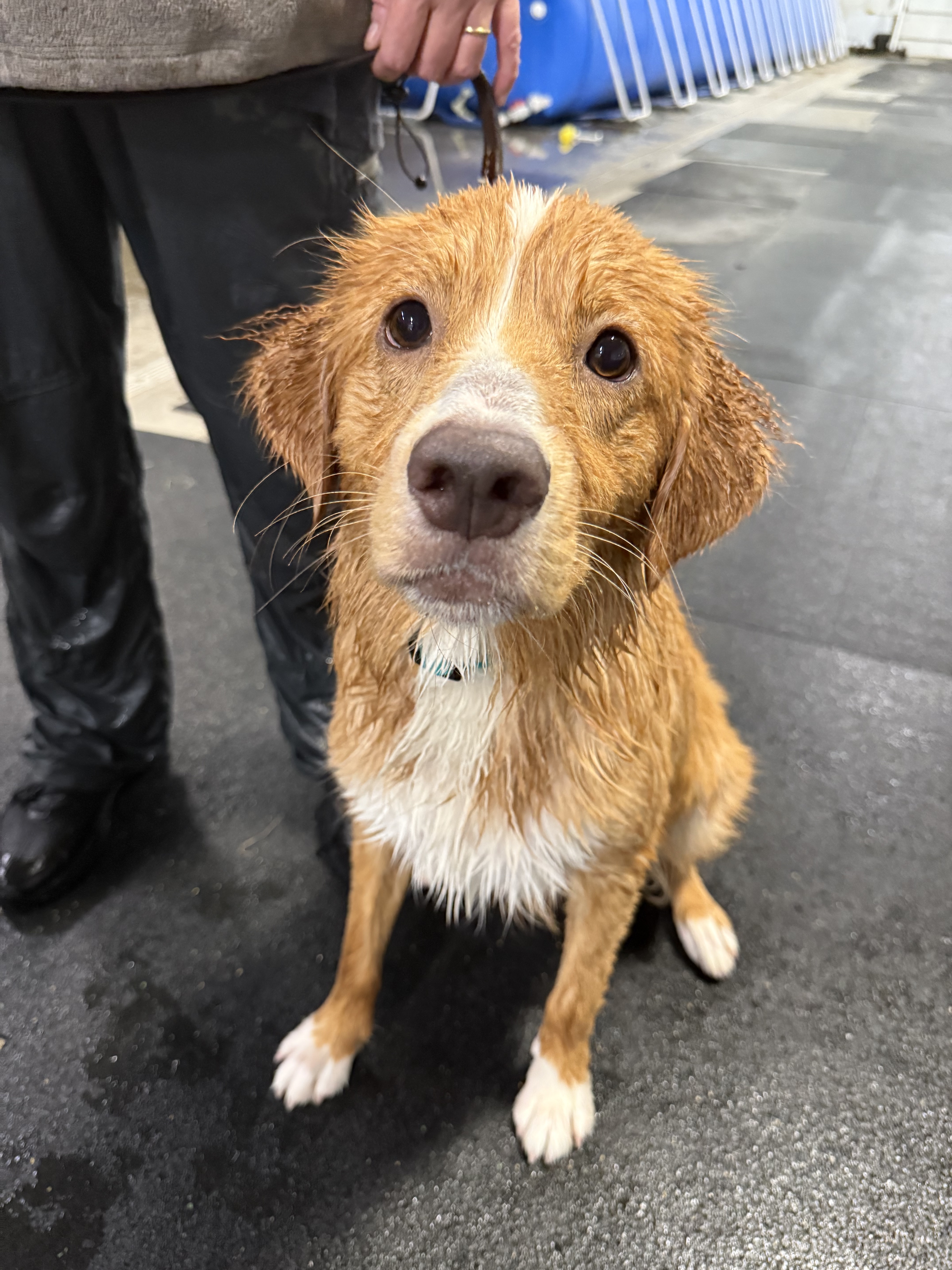
- What’s your dog actually into? Ask yourself that question and go from there. Maybe you’ve always wanted to try scent work, but your hound mix has zero interest in it. Maybe you’ve been wanting to do Rally-Obedience and your dog just isn’t into it at the moment. What are they into? Waffles loves water. So I took him dock diving. I’ve never done it before and haven’t had an interest in it… but he sure does! So we’re learning together! (This works for your human adolescent, too. Find out what they’re into. Learn about it. Connect. In the end, it’s all about connection and bonding, isn’t it…)
- Let them make choices, and reward the good ones. Sometimes we go for a structured walk. Sometimes we go for a sniffy walk where Waffles chooses the itinerary. This often means that we often make a pilgrimage at the Little Free Library with the dog treat container a few blocks up from our house, but Waffles is so very happy to take me there that he’s super-willing to do tougher obedience/urban work with distractions right after.
- Get Ahead of the Issues
- Don’t shy away from asshat behavior, and don’t put your dog (and yourself) away hoping he’ll outgrow it. Your dog suddenly pulls on walks to greet other dogs? Starting to show some leash or barrier reactivity? Work on it NOW. Join a Feisty Fido or Reactive Rover class with certified instructors. Find your dog’s currency and work through it. Waffles went through a stage where he wanted to “go say hi” to everyone and everything. We worked on desensitization with LAT (“Look At That”) training and good old-fashioned Engage-Disengage games where you reward the dog for noticing the trigger and then disengaging. (If they can’t disengage, they’re too close or your rewards aren’t rewarding enough!) I still use the Mr. Rogers Neighborhood Hack where I give names to the things he sees/hears so they become boring to him and/or he knows they’re no cause for concern. He now sees neighborhood dogs and turns to me for acknowledgement. If something is worrisome to him, he looks to me for reinforcement that it’s totally normal. He has become a calm, happy, adolescent who can be redirected when necessary!
- Don’t be afraid to let people know you’re working on things and that you have it under control. Your dog will feel that going right down the leash. Don’t apologize for a teenager being a teenager, don’t panic, don’t freak out, exude confidence and address your dog and redirect: “Look at you suffering from testosterone poisoning! Ignore it, let’s go!” This benefits your dog who may not understand the words but understands the tone (your confidence and calm — not anger or frustration!) and hopefully understands “let’s go!” and it lets people know that you’re working on training.
- Set Them Up For Success
- Use the management tools you have to your advantage. Don’t take away supports too soon! When we were getting ready to head to the BWCA with Waffles, I initially worried we’d run into some issues with his ridiculous need to destroy anything that’s made of fabric. How would he sleep in a tent without chewing on my sleeping bag? On our packs? How would I manage to get him to truly settle when he’s overtired and crazypants? The answer to that, at home, would be a crate. What could I do out in the wild? I thought about it and realized that pop-up tent-like crates exist. They twist-fold down to the size of a dinner plate and store flat, about an inch thick. I put the human teenager in a tent of her own, and put the puppy in with me while my better half enjoyed his fully decked out hammock (his preferred way to snooze in the woods.) End result? A Waffles who slept, no gear destroyed, naps as requested by the adolescent doggo, and an enjoyable time for all. I’ve never had to do this before — and I’ve been taking dogs on expeditions like this since the late 90s — but it was the most restful first exposure experience I’ve ever had with a very young dog. He had fun, we had fun, and everything was chill.
- Don’t trust your dog’s recall for a while. Practice it a lot. Practice the jackpot recall a lot. Run in the opposite direction to get your dog to follow you. But don’t trust your recall in new places, unfenced areas, or high-distraction zones. Set your dog up to succeed when it comes to recalls. Use a long line. Use a check cord. Let them have freedom, sure, but make certain that when you say “Come!” you mean “Come!” and there’s no other option but to do exactly that. And it gets handsomely rewarded, too. Every time. Even if you got blown off for a few minutes and had to remind them you have the other end of the leash. (*note here that I don’t use aversives in training but some people do, especially when it comes to recalls and correction. Do what works for you. This doesn’t mean that I don’t “correct” dogs — I do — but I usually get what I need with leash pressure and space pressure, especially with retrievers.)
- Wipe “he should have outgrown this by now!” from your phrasebook. Your adolescent will grow up soon enough. Give him time and space to learn. They all regress a little, then grow, then regress, then grow…
- Respect their breed characteristics, innate temperament, and needs. Don’t expect your Corgi to be a Golden Retriever. Don’t expect your Malinois to be a sedate gentleman like your mom’s Basset. Your dog may be wary of strangers in an absolutely appropriate way for their breed. Or she may hate other dogs, which is normal for her breed. Or you may have a dog who has had a rough start and has some issues to overcome. Or your dog may simply be more timid by nature. Know your dog, know his or her limits, and work from there.
- Seek veterinary help and behavioral veterinary help if things don’t seem right to you. There’s a difference between aggressive, reactive behavior and adolescent behavior. If you’re not sure what you’re seeing is normal, consult an expert. And by that, I mean a veterinary professional and/or a behaviorist. I’ve had a dog with significant behavioral issues that turned out to have neurological roots. Even with all the experience I have, I reached out to Tufts for behavioral consults and support. They were great!
- DO STUFF TOGETHER. Not just in parallel. But together. Talk to your dog. Play with your dog. Engage. Participate. Go all in. Become co-conspirators. Spoil them every so often. Life is short. Share some chicken nuggies on the way home from training. I won’t tell a soul, your secret is safe with me.

As we head into the summer months, we’re stepping up our training game. On the docket are lots of urban, suburban, and rural training sessions, trick training (with end task goals in mind for work), dock diving, more swimming, hiking, and lots of fun. I can’t wait to see what new things Waffles comes up with next. He’s a joy to work with, even when he’s committing crimes.
GO OUT THERE AND HAVE FUN!
 Keep Calm & Waffle On
Leave a comment