

This is the face of a dog who woke up and chose a life of crime.
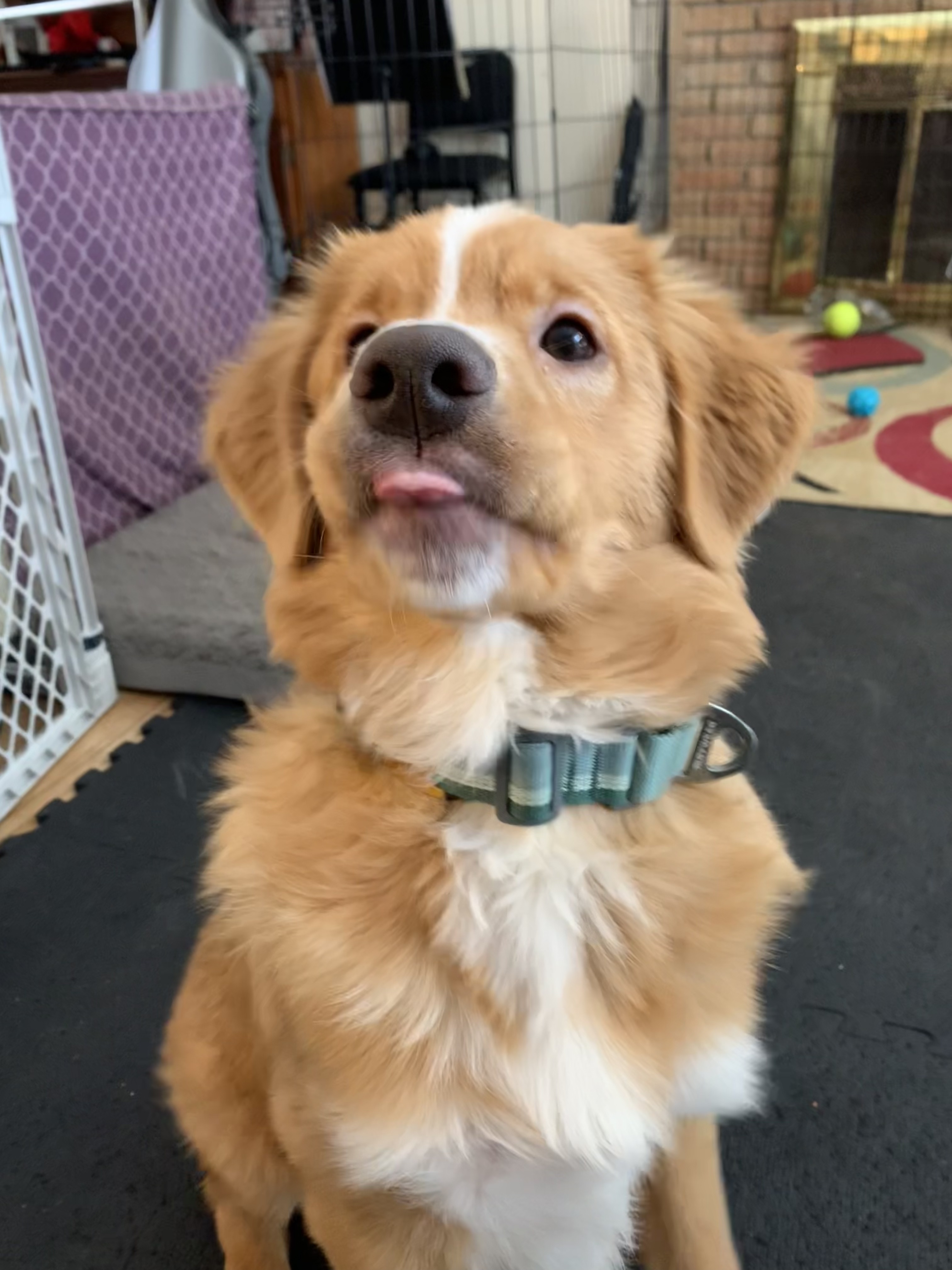
The last week was one filled with training sessions, obedience school (passed level 2, oh boy!), new training games, and pushing boundaries. Waffles is very much a tween: losing teeth like a shark, feeling the hormones kick in, and starting to push boundaries. In my experience with Tollers, they tend to teeter on the brink of adolescent behaviors around 5 months. Little man is right on track.

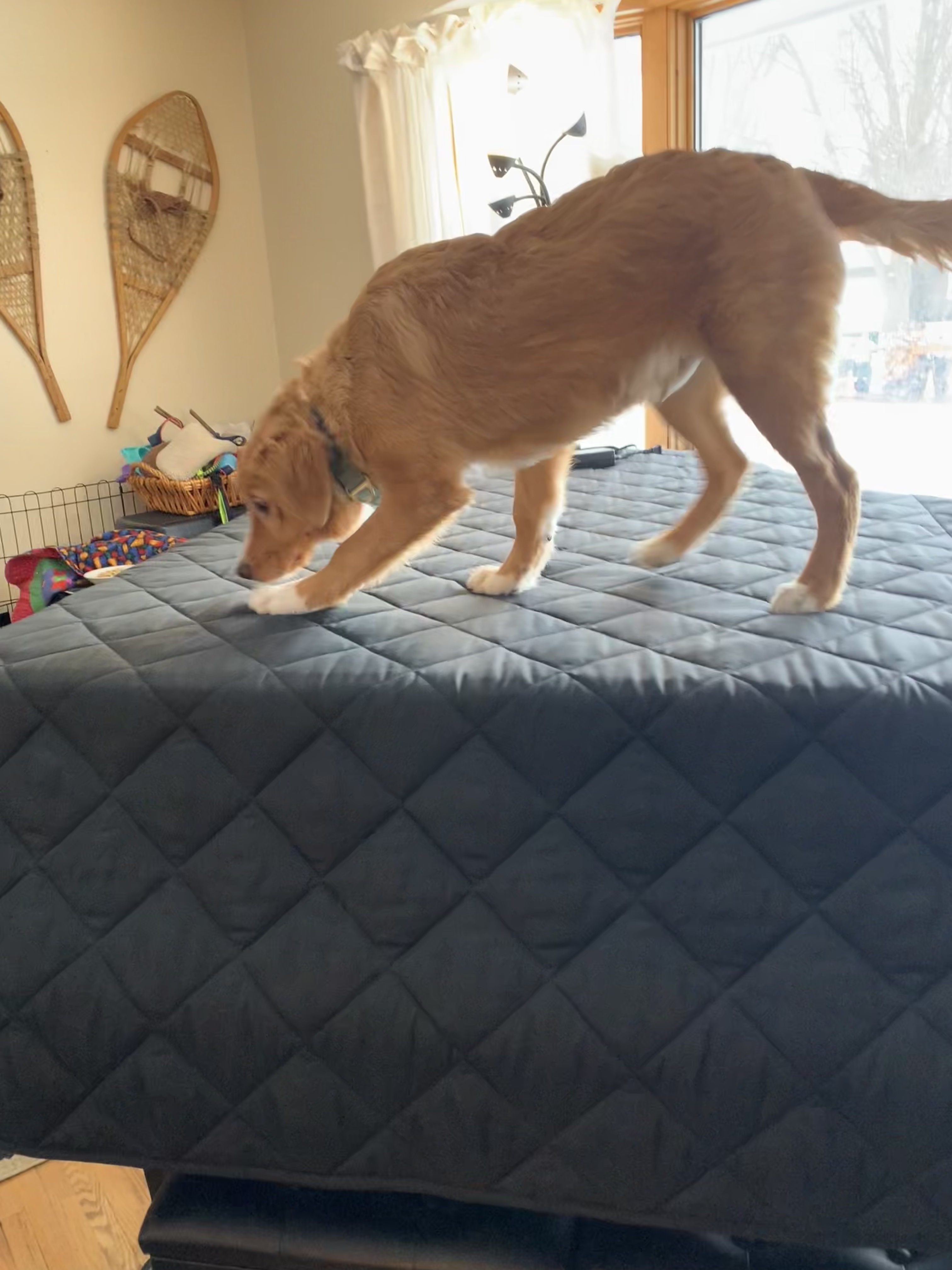
Adolescent dogs get a bad rap — much like adolescent (and toddler) humans, really — and I sometimes feel like it’s a little unfair. Let’s be honest, dog adolescence can be incredibly challenging. Your wonderfully behaved puppy who knows so much stuff and who is so good turns into a hormone-filled sack of hams that you’re considering turning into a very fetching hat.
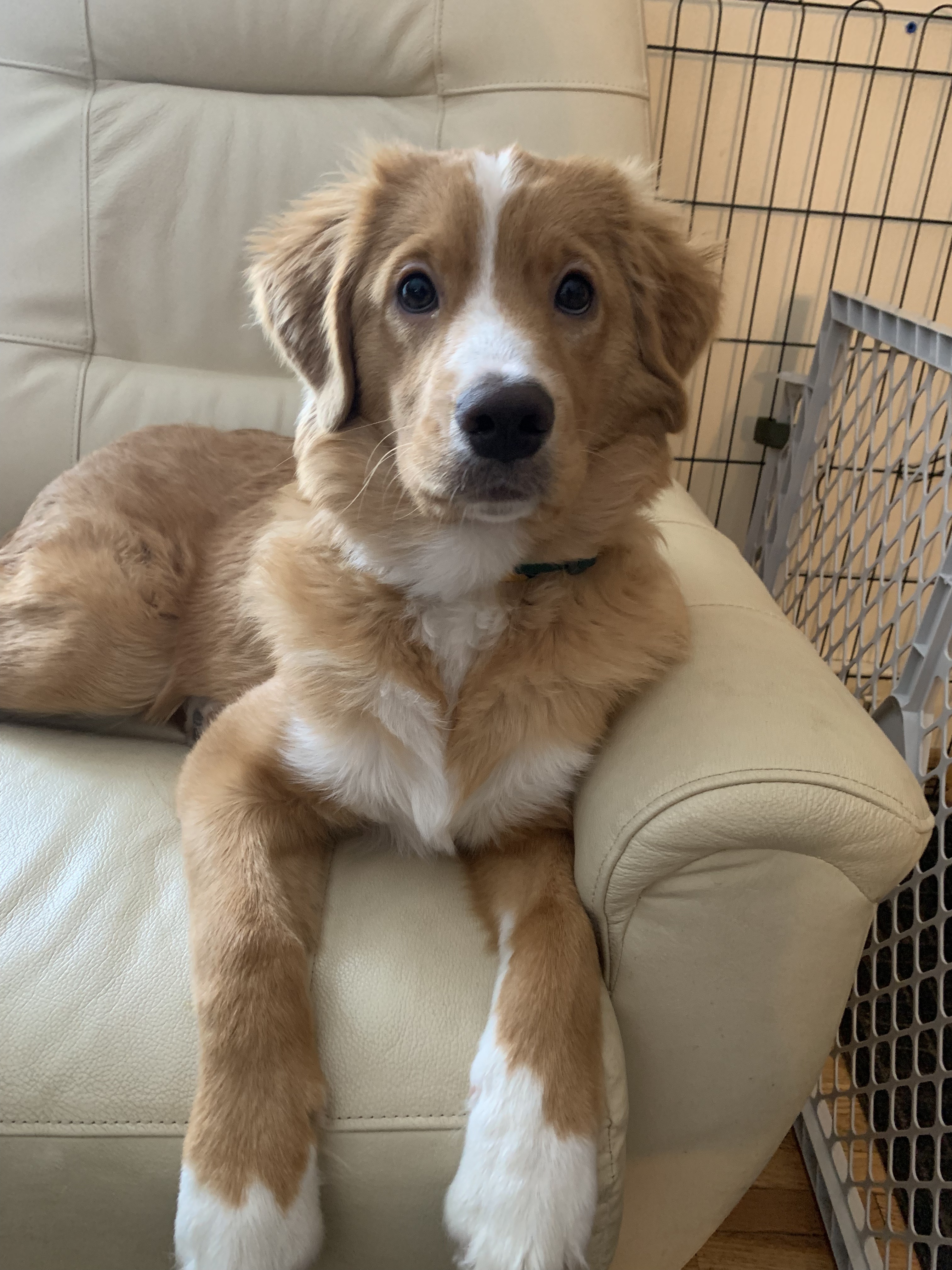
Good news is, it’s normal. Bad news is, it’ll take about a year to muddle through it. But with some good routines, household rules, training, play, and most importantly remaining consistent, you’ll come out the other end with a wonderful companion. You’ll promptly forget how difficult it was and you’ll wonder how you could possibly have ever wanted to turn your puppy into winter wear.
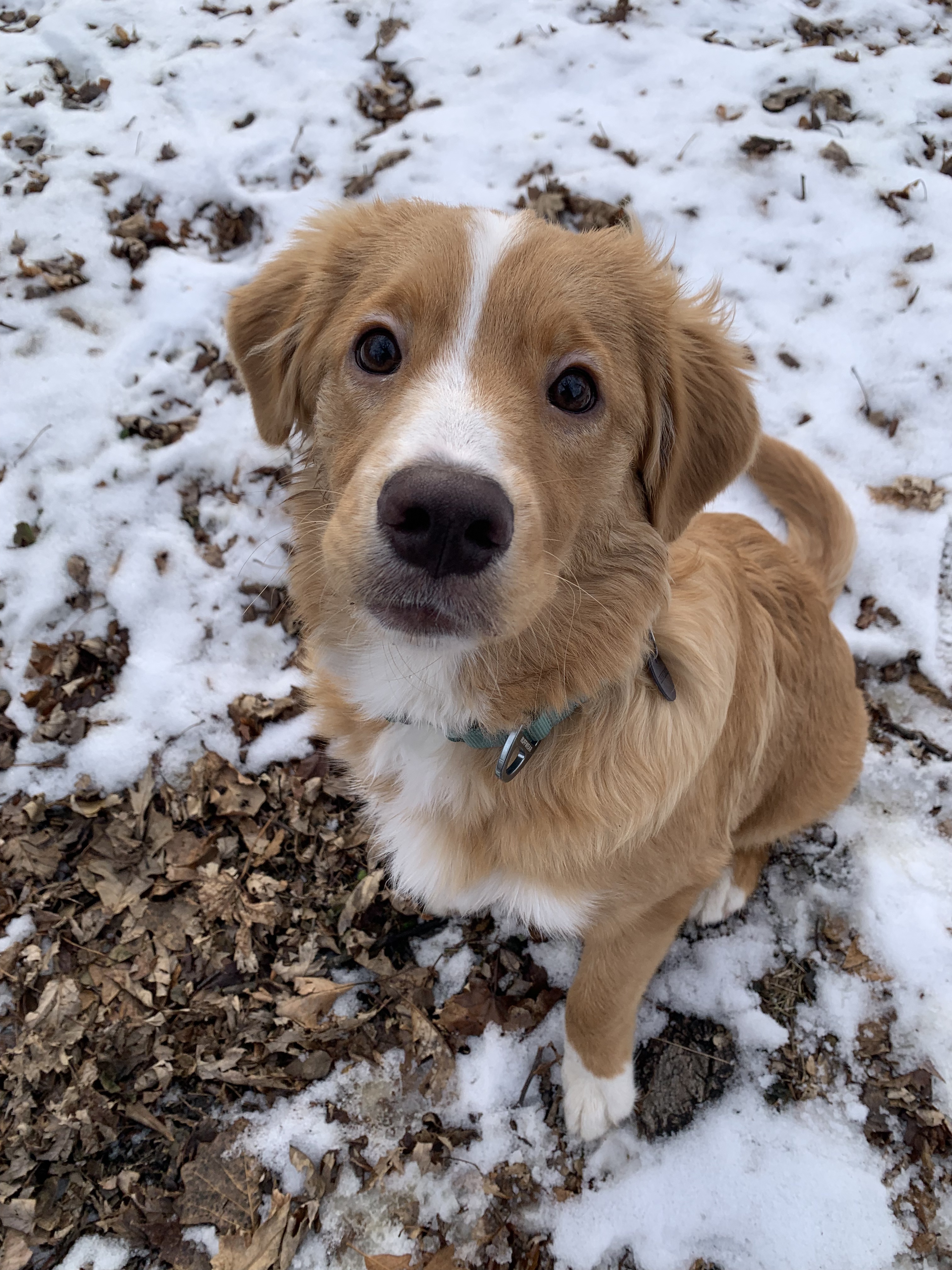
What does adolescence look like? A lot like what adolescence and toddlerhood look like in humans.
- An increased drive towards independence: in the wild, your puppy would be starting to leave the nest and explore on his own a lot more. That drive is still there. Give him opportunities to explore and learn stuff on his own, while keeping him safe.
- “Command rebellion”: Your puppy knew all sorts of stuff and now looks at you like you have three heads when you ask him to sit. That jerk. Truth is, he’s not being stubborn. He’s being a teen. Stick with it, and make it worth his while to work with you.
- Boundless energy: Yep. And he needs to burn it off, too. That doesn’t mean you need to start training your dog with long walks 5 times a day — unless you plan to make an ultramarathoner out of your pet, that is. Brain work, exercise, nose work, trick training… all those things help burn off that energy.
- Impulsiveness: Yep. Just like human teens. They act and then think about it. Teaching your puppy self control and impulse control will save your sanity.
- Pushing boundaries: All those naughty things you don’t want her to do? She’ll try. Be consistent, enforce rules, and reward the behavior you want to see.
- Fear periods: Because of course, life wouldn’t be complete without this sort of nonsense going on at the same time. Your puppy may go through a number of random fear periods through his adolescent months. Now’s a good time to work through them. This is also the age where shyness, reactivity, and other behavioral issues can crop up. Get help before it gets worse!

What can you do?
- Don’t be tempted to put away your crate, exercise pens, and gates. Use puppy’s kennel to help your puppy learn to self-soothe, self-entertain, and chill out. Continue making sure he’s getting enough sleep by enforcing naps and quiet time.
- Don’t be tempted to think your puppy is grown now and should know better. If there was ever a time to supervise, monitor, and use management (i.e. don’t want Fido on the sofa? Don’t give Fido access to the sofa.) it’s adolescence. It’s good to remember that this is what they’re supposed to do. It’s entirely developmentally appropriate. Kind of like when your human kid went from crawling infant (aw, so cute, and learning!) to a toddler who can run and get into everything (Dammit, he should know better than to climb up onto the fridge!)(But does he, really? And would you take your eyes off the guy?)
- Start playing tons more enrichment games, pull out all the puzzles, start teaching tricks and doing nose work. Keep her little fuzzy brain busy.
- Reward and Reinforce way more than you ever did before. It sounds a little counter-intuitive, but this is the period of your dog’s life where you can make tons of progress by reinforcing all the positive behavior you want to see. Give them access to the things they really like to do as a reward for doing the things you want them to do. (I wrote about the Premack principle a few weeks ago — good time to review it and use it to your advantage!)
- Review the basics often. Make sure you keep going to classes you both enjoy. Sometimes going down a level in obedience class actually helps a ton — it allows you to work on your pup’s sudden lack of impulse control and people-and-dog-neutral behaviors while reviewing things you already know. It’s a lot less frustrating than trying to teach all that AND new skills.
- Play impulse control games with the aim of teaching the leave-it command over time.
- Carry treats in your pockets, and generously reward when puppy makes good life choices that aren’t related to them following a command you gave them. Catch them doing something good and reward it. Seriously. It works. (Works with children, too.) You’re hanging out on your mat chewing a chew? Nice! You walked by that other dog and looked at me instead of checking them out? Nice! You contemplated putting your paws up on the counter, saw me, and decided against it? Nice!
- Pay attention to your dog and what they’re up to. Your interactions with them build up your relationship. Don’t leave these little derps unsupervised. That’s when they get into trouble.
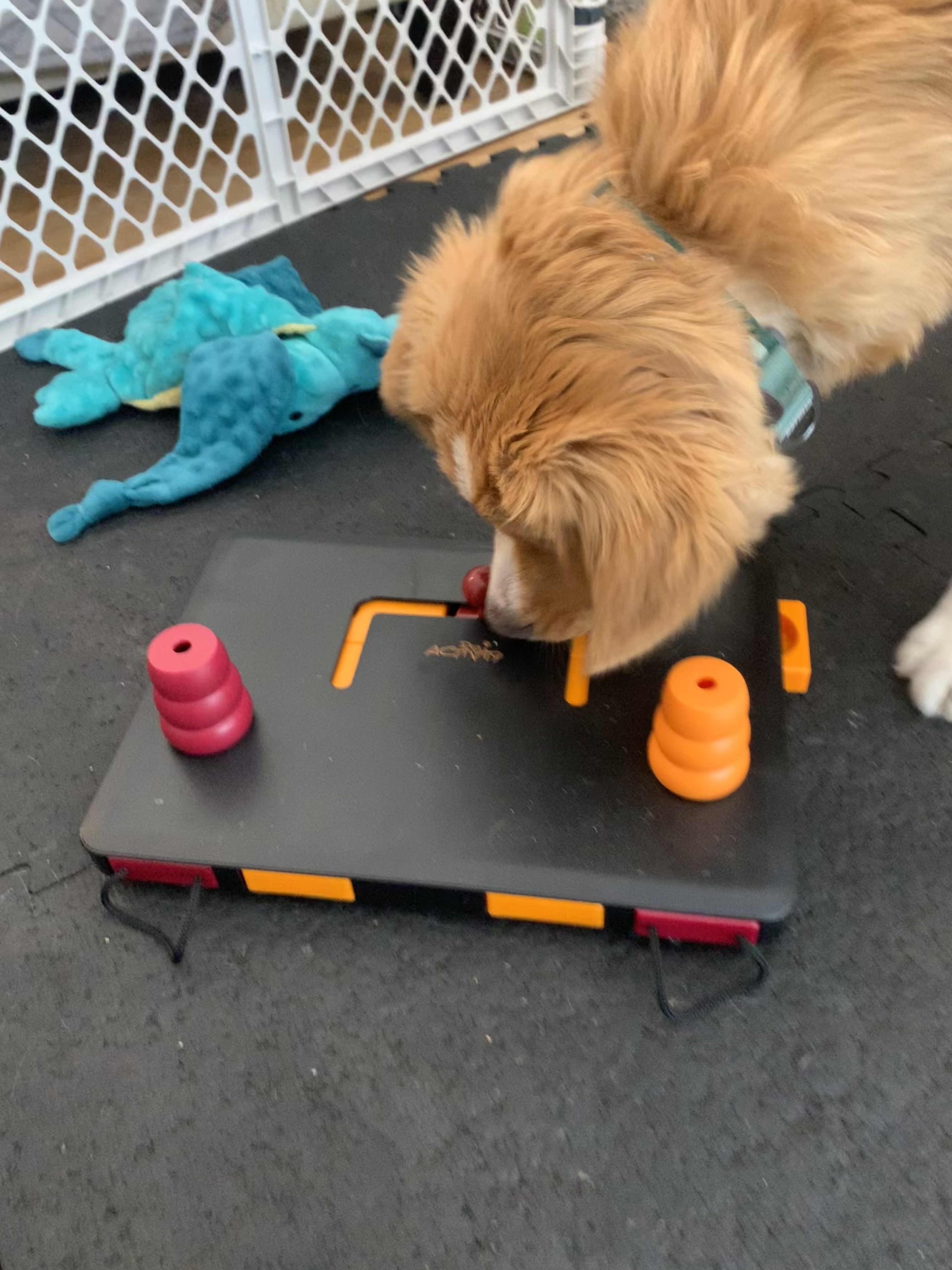

Here are a couple of games I love to play with Waffles at the moment.
SMOKEBOMB! It’s a game of Hide-and-Seek, solo handler edition: Just you, your dog, and a pocketful of treats inside your house (or in your fenced yard.) I throw a handful of tasty treats in the air, yell SMOKEBOMB! and while Waffles is distracted by the treats, I run off and hide somewhere in the house (sometimes I’m not fast enough and we end up with a fun game of chase), then call him. Some dogs will gobble up the treats first and then try to find you when you call. Other dogs, like Waffles, will grab a few and run after me because I’m running away cackling like an idiot and that is WAY more interesting than treats. Or bunnies. Or squirrels. Plus I usually have something REALLY tasty in my pockets. Celebrate when doggo finds you! This is a great way to practice out-of-sight recalls. If you’re way more fun than the tasty smokebomb distraction, it’ll go a long way in real world situations. Always grab your dog’s collar once they find you, then reward them handsomely. Party like your life depends on it.
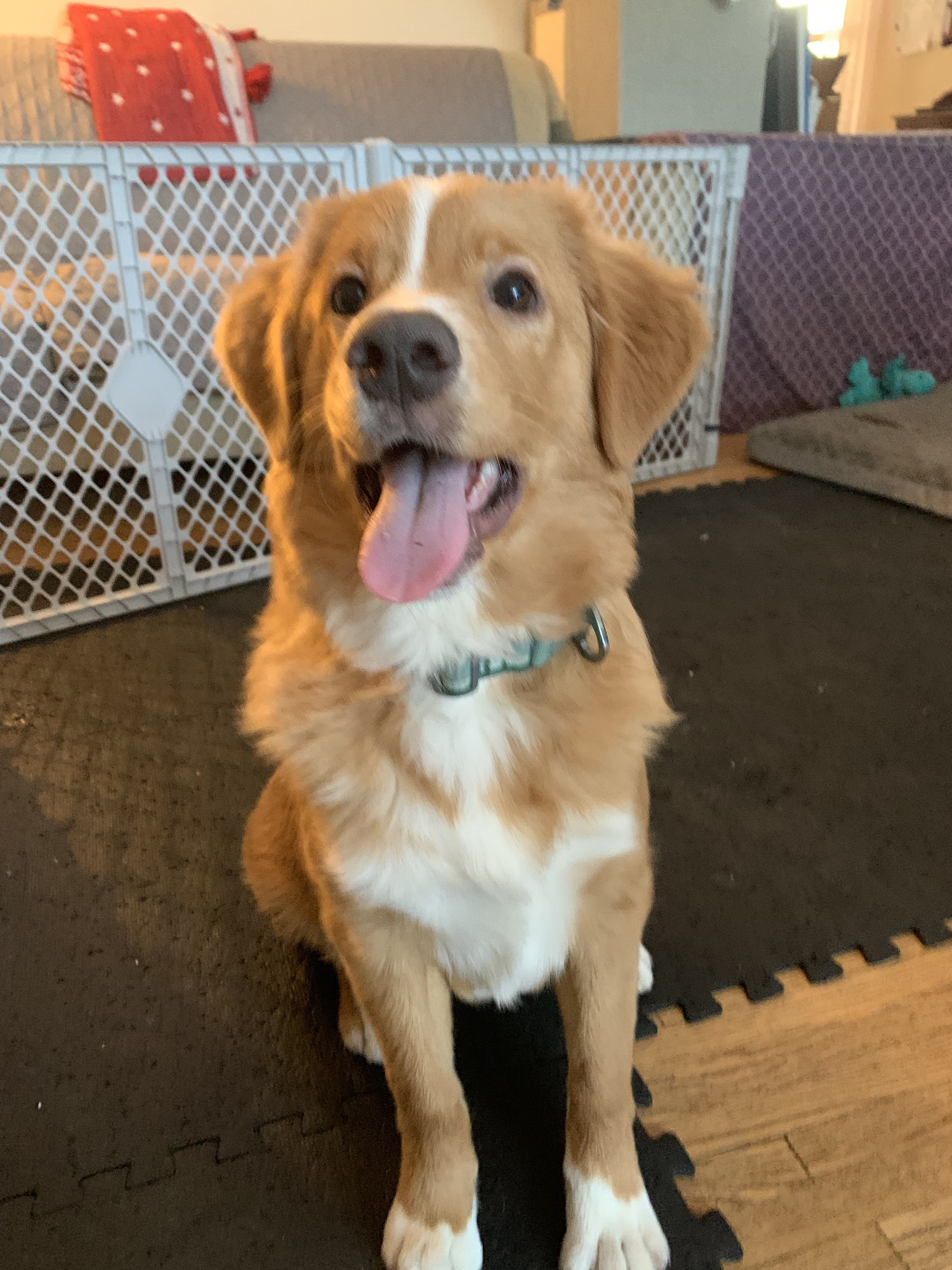
1-2-3 GAME: This game was originally intended for reactive dogs, but it’s one of the best pattern games to teach a dog to politely ignore distractions! It’s very simple, seems very silly, but it works ridiculously fast and well. It appeals to adolescent dogs because they’re not required to actually do anything: no command to follow, no behavior to offer, they just get the payment for existing. Consider it your dog’s allowance, only he doesn’t have any chores to do to earn it. The concept behind it is simple: it teaches dogs to follow a predictable sequence and focus on you as their handler. You can use this game to teach your dog how to ignore distractions and walk politely wherever you go.
Step 1: Create a pattern. I use a counting one (1, 2, 3!) in French (un, deux, trois). First, teach the dog that three means a treat. Once that word is loaded, teach your dog that the number two comes before three. Occasionally reinforce three on its own! Repeat. Then teach them that one comes before two, and two comes before three.
Step 2: When your dog hears the number three, alone or as part of the sequence, he gets a treat. Vary the speed at which you count. Make the counting exciting by varying your tone of voice so they anticipate “three.”
Step 3: Repeat. Add more numbers. Add movement like loose leash walking. Make them heel around the house. Very quickly you’ll see their heads turn towards you when they hear the word two, anticipating a treat that’s coming with three.
Step 4: Practice out and about. When you walk by a distraction (other people, dogs, birds, etc.) increase the pace at which you count and reward. Your dog will very quickly get the idea that once he hears one… two… a treat is coming, better check it out. The nice thing is that he can be on a loose leash sniffing away at a spot on the grass and you can just count and watch him stop sniffing and turn to you for a treat.

Real world example: Yesterday, Waffles and I did some indoor training at the rehabilitation institute. Waffles absolutely loves people and really wants to greet everyone when he should be heeling and walking on a loose leash instead. So we walked up and down hallways, and every time someone was coming towards us, I would count 1…2..3! The closer people got, the faster I’d count. Within five minutes, he was ignoring every person we were crossing paths with, walking on a totally loose leash, even ignoring wheelchairs and other distracting things coming his way. I started slowing down my counting instead of speeding up as someone approached, and he was so keenly awaiting the three that he would completely ignore the distraction. The goal here isn’t to make a dog dependent on treats for good behavior. It’s simply teaching him that distractions such as people or other dogs walking by are simply not that interesting. First off, you don’t get to greet them when you’re working anyway, and if you’re actually doing your job, that’s way more fun. For adolescent dogs, reinforcement where they don’t even have to do anything is like when your history teacher used to wheel in the TV and VRC cart (yes, I’m old) on a Friday afternoon. It’s fun, it’s low effort, and they accidentally learn stuff. I fade these sorts of games over time as my dogs build up impulse control and age out of adolescent behaviors, but they’re a handy tool to keep in your back pocket when you take your dog somewhere new and exciting and want to keep them focussed on you.
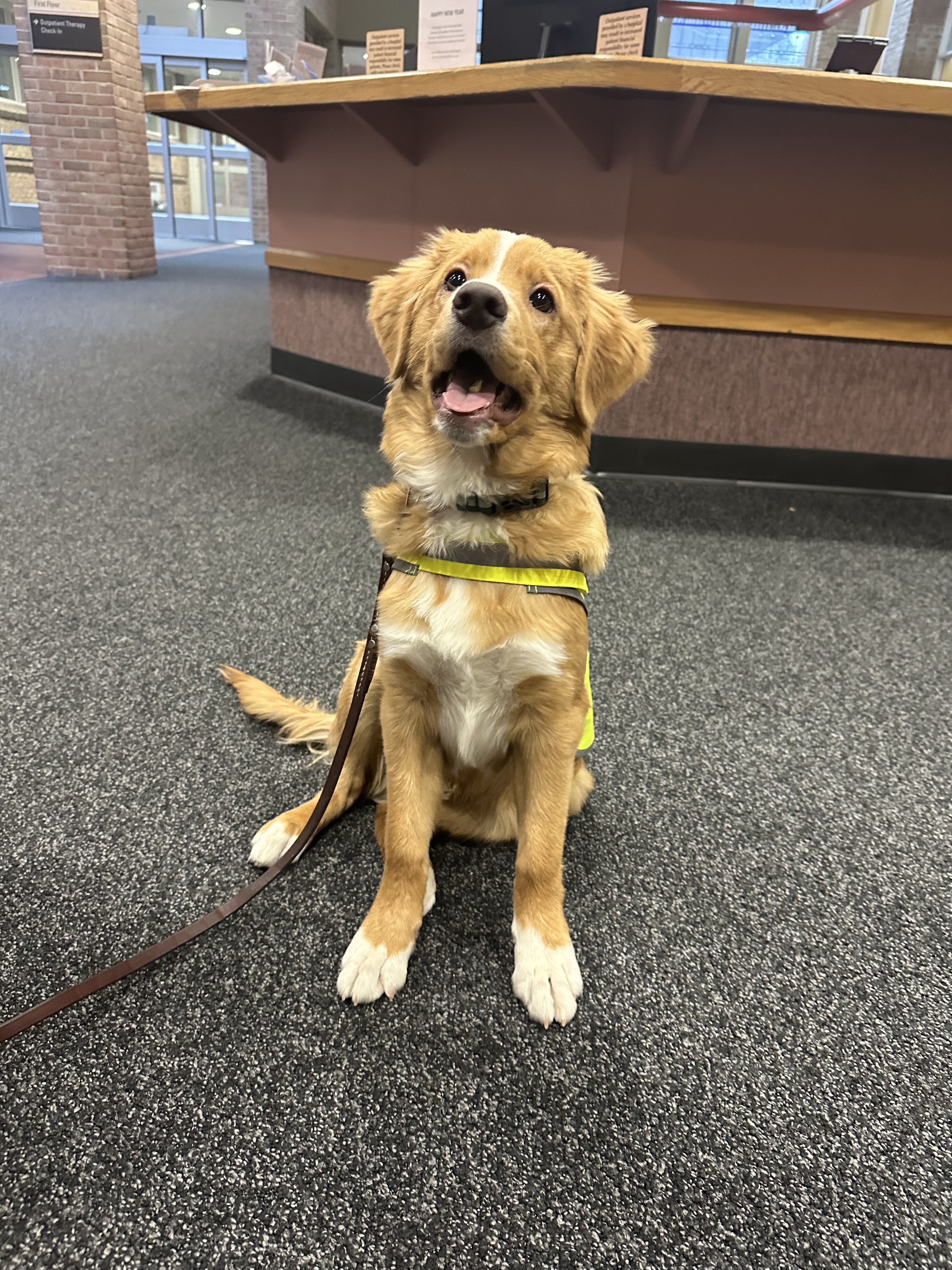
On the training front for us this week, we’re solidifying basics. He has a few classes at the AHS and a few real world training sessions on the docket. We’re working hard on distractions, house manners, desensitization, and appropriate play while teething like a madman. My goal right now is to make sure all the fundamentals and routines are in place before the hormones hit full force.
To all who have their own doggo teens at home: don’t despair. Keep your sense of humor. They grow out of this nonsense, I promise!
 Keep Calm & Waffle On
Leave a comment