

First order of business, a Waffles update: He’s doing great! Training is going well, he’s lost two baby teeth, and we’re making great strides with basic obedience and manners. This week, the demon he’d summoned previously has been nowhere to be found and I’m quite grateful for that. As his little personality emerges, I’m adjusting the way I train based on what he finds rewarding and fulfilling. He’s a joy of a puppy!

Speaking of training adjustment, rewards, and fulfillment, today’s post is a bit of an info-dump, since a few of the Breakfast Food’s followers have asked me some great questions in the last couple of weeks.

Most of the questions have been about puppyhood and adolescence, training hiccups, fulfilling needs, trying to get a dog to perform behaviors they don’t particularly enjoy (like, say, a recall when adolescence has hit you hard in the ‘nads and you really want to chase that squirrel up a tree) and problem behaviors. While each and every situation is different and may require different solutions, here are some universal things that may be super helpful to know.
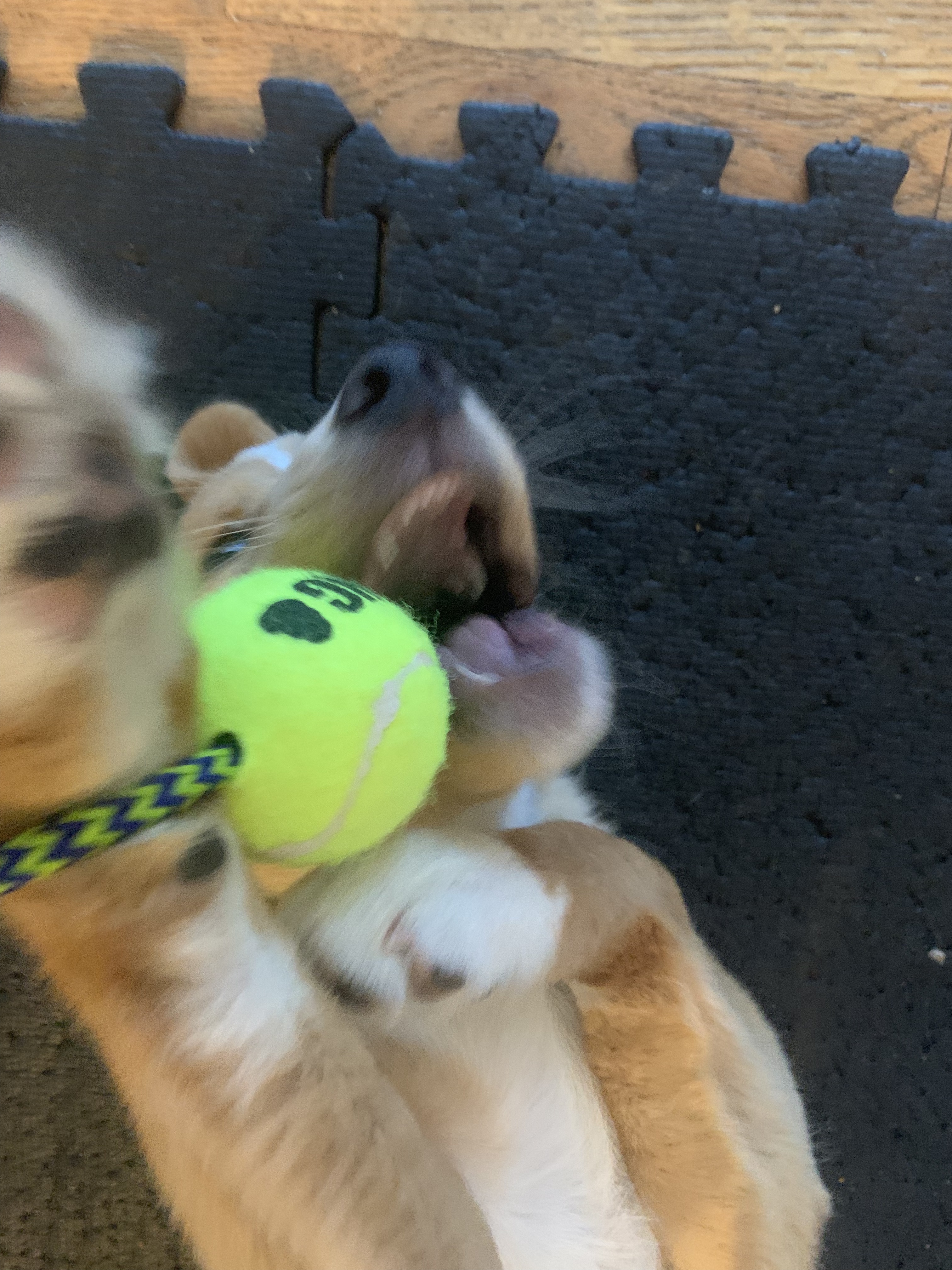
Surviving puppyhood and adolescence requires a few basic things:
- Understanding the concept of needs fulfillment
- Applying that to your dog’s breed and purpose
- Understanding the Premack Principle and how to apply it to dog training
- Coffee, chocolate, ice cream, sushi, whatever motivates you as a trainer.
Fulfilling Needs 101: What the Heck Does it Even Mean?!
“Right, so, I hear dog trainers and vets talk about fulfillment. What the heck does it even mean? What am I supposed to do? Aaaaaa!”
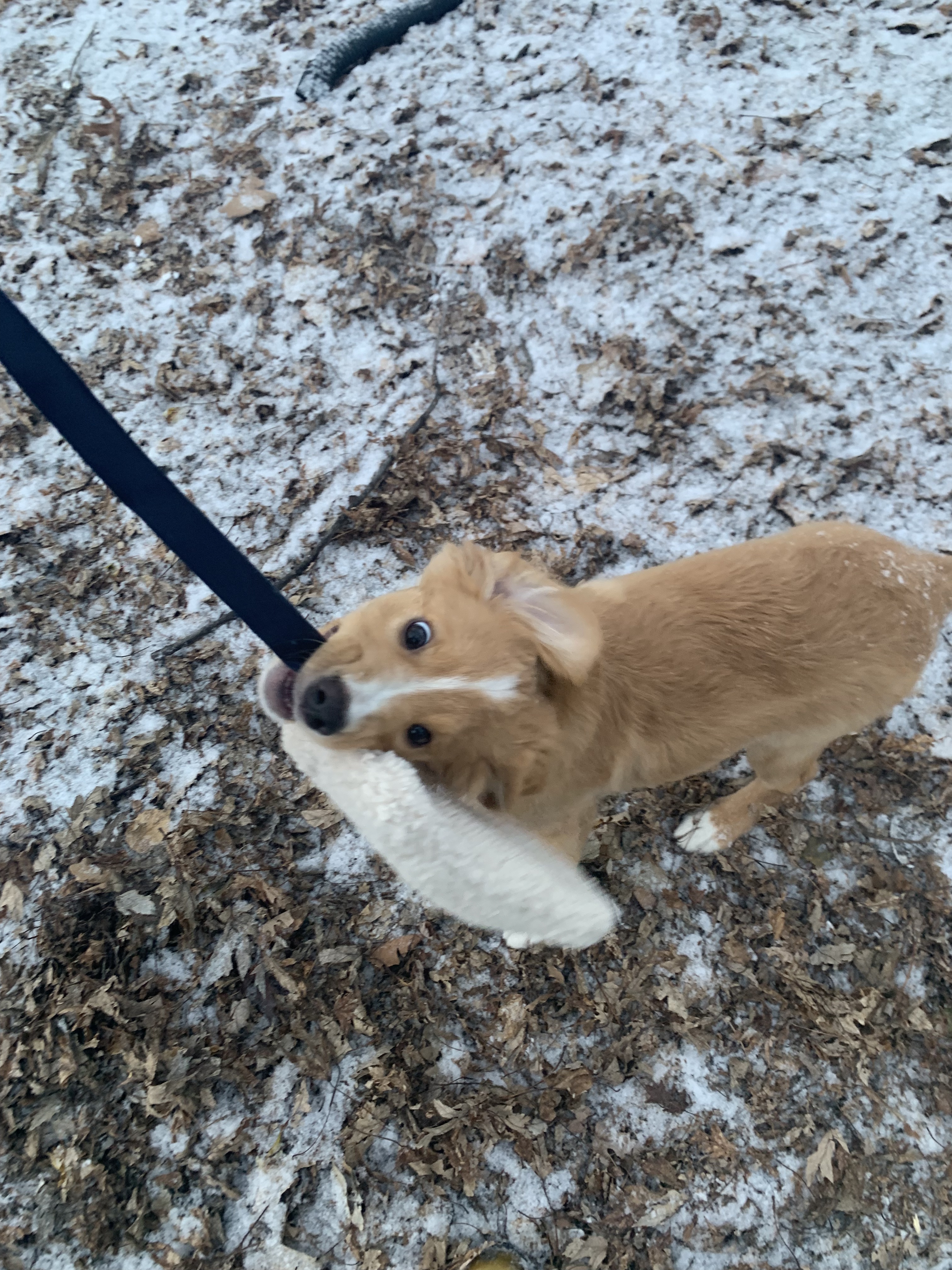
The concept of fulfillment refers to ensuring that a dog’s physical, mental, emotional, and social requirements are met, leading to a well-rounded, happy, and healthy life. Meeting your dog’s needs before trying to get your dog to meet your human needs (“I want snuggles, dammit! Be snuggly!”) will pay off in the long run. Don’t let this whole concept intimidate you. You’re doing great, and you don’t have to do-all-the-things. You may want to adjust some of what you’re doing if you’re having some problems with unwanted behaviors in your beloved puppy or teen doggo. A little guidance can go a long way!
So, in general, what do these little furry bastards need?
- Physical Needs: Exercise, proper diet and nutrition, health care, grooming, and proper housing.
- Mental Stimulation:
- Enrichment Activities: Dogs need opportunities to use their natural instincts, such as puzzle toys, scent games, fetching, or herding activities.
- Training: Teaching new commands or tricks challenges their minds and builds a stronger bond with their human.
- Exploration: Allowing dogs to explore through sniffing during walks is mentally stimulating and fulfilling.
- Social Needs:
- Human Interaction: Dogs are social animals that crave companionship from their owners.
- Boundaries and Structure: Dogs feel secure with consistent rules, routines, and boundaries. Trainers don’t like talking about “packs” anymore, but leadership is still a thing. Be the “pack leader”, the “pet parent”, the “she-who-must-be-obeyed” or whatever-you-want, but be a leader.
- Emotional Needs:
- Affection: Many dogs thrive on affection and physical touch, like petting or cuddling, to feel loved and secure. Some see “doing stuff with my mom/dad” as a form of affection. That works too!
- Confidence Building: Encouraging independence and rewarding bravery in new situations helps dogs feel confident and less stressed.
- Sense of Purpose: Working breeds, in particular, need a “job” to do, whether it’s fetching items, herding, or participating in sports like agility or obedience.
- Rest and Relaxation:
- Dogs need sufficient downtime to rest, recharge, and process their experiences. A comfortable, quiet space where they feel safe is essential. This is where crate training comes in handy.
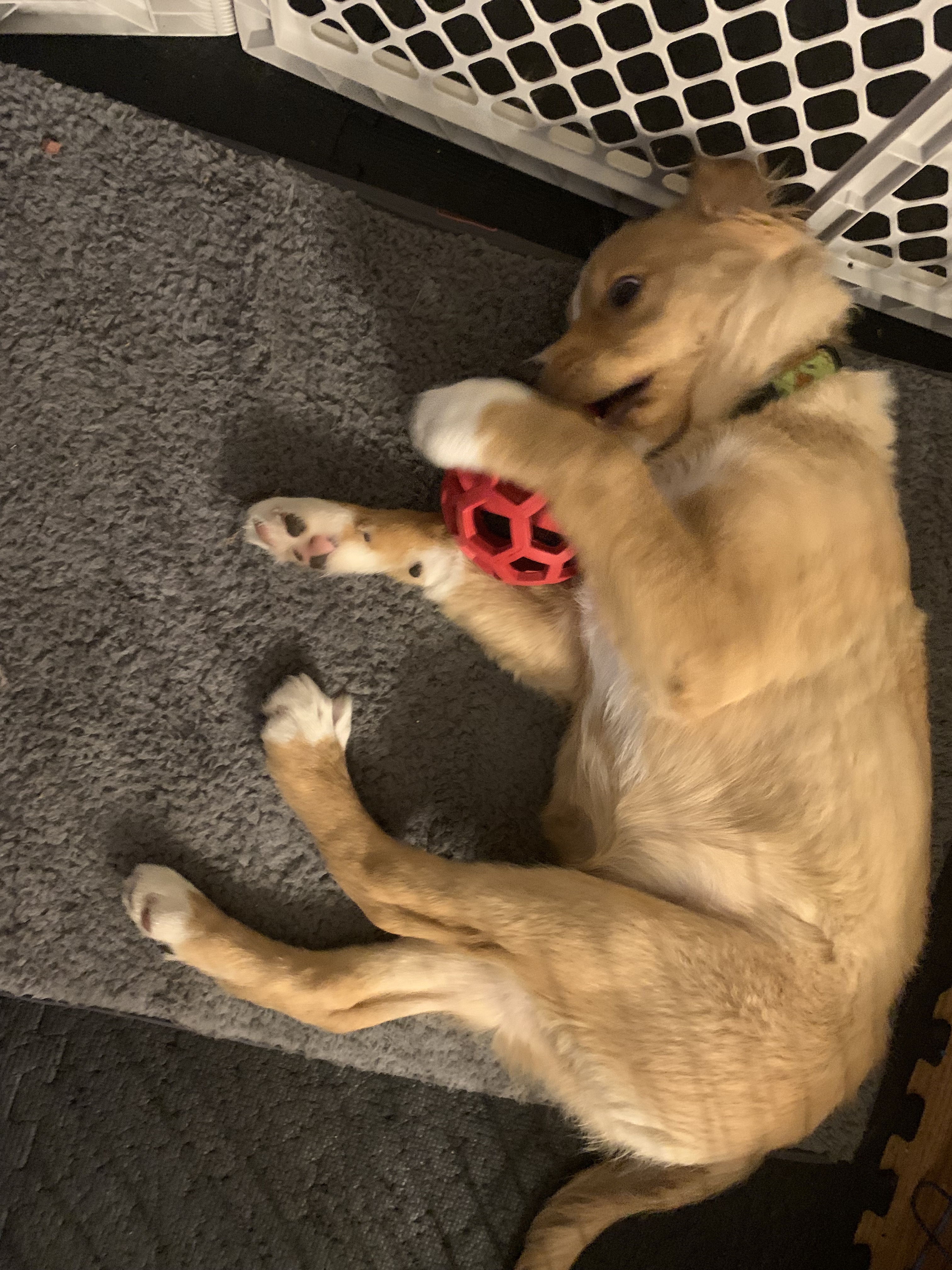
A word to the wise: MANY PUPPIES AND ADOLESCENT DOGS AREN’T GETTING ENOUGH DOWN TIME, and it’s absolutely possible to “do too much.” Enforced napping, enforced “boredom time, might as well nap”, and sufficient sleep leads to dogs who are happy to work, happy to play, and who do not need to be scraped off the ceiling because they have the zoomies twenty times a day. Keep a routine, sure, but also work on your puppy’s off switch. If you’re down with the flu, or there’s a hurricane outside, you shouldn’t have to negotiate with a fuzzy terrorist who insists he or she needs a 3 hour walk in the woods every morning at 10am or else they’ll tear your house apart or bark at you until your ears bleed.
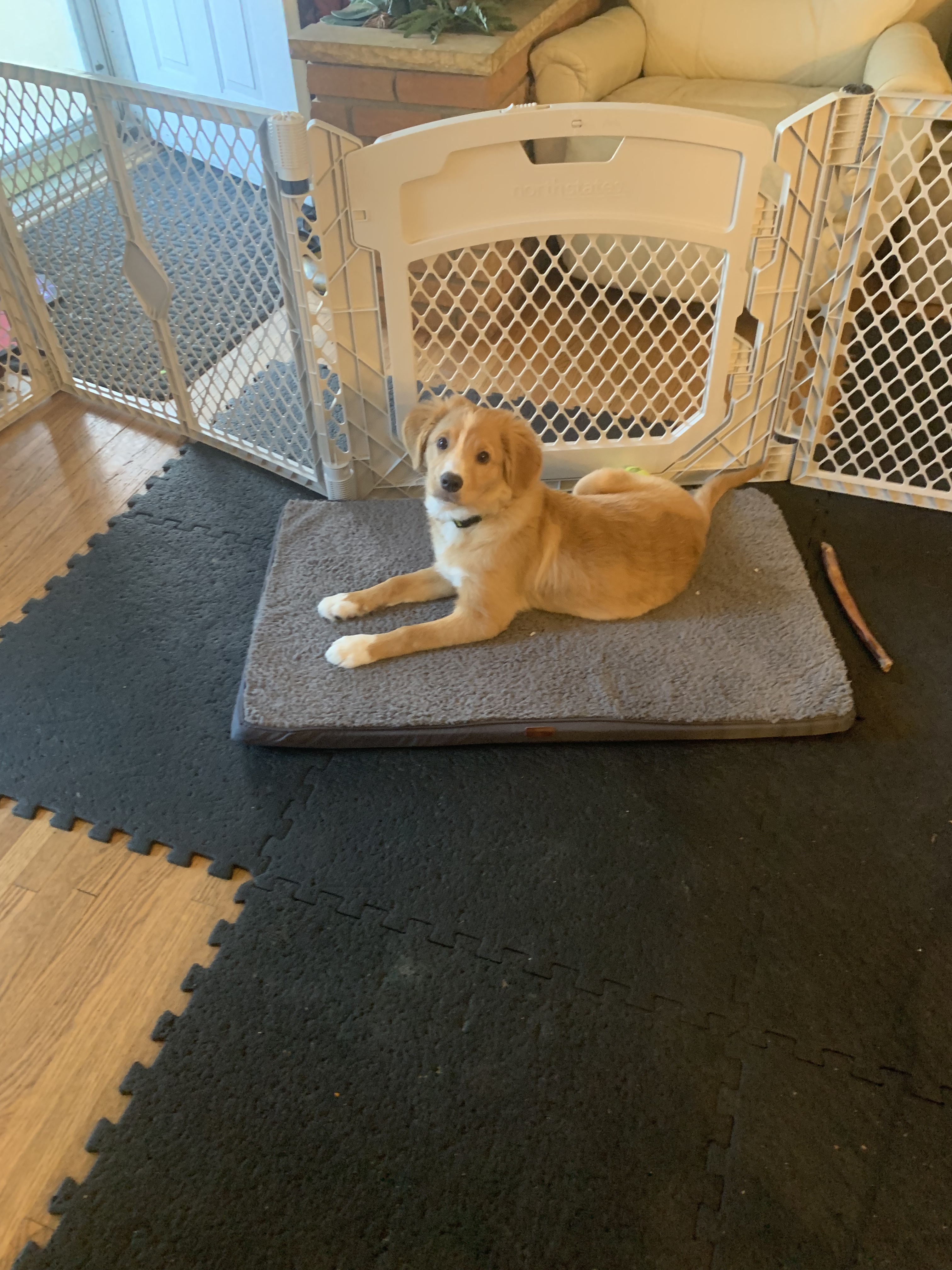
Some breeds will keep going all day long if you let them. It’s a great way to create an endurance athlete who can run ultramarathons, but it’s a terrible way to create a well-balanced pet (or even working dog) with an off-switch. Teach them to self-soothe, to relax, and to deal with boredom in a constructive way!
When a dog’s needs are fulfilled, they are less likely to exhibit problem behaviors like chewing, barking, or aggression. Fulfilled dogs are also more balanced, obedient, and capable of forming strong, positive relationships with their owners.
Fulfilling Needs by Breed or Type
“Okay, sure, but how do I pick activities?! Hurry up and tell me, ’cause this little furry turdsicle is digging holes in my garden and barking at the postman and I’m ready to turn him into a fetching pair of mittens and a hat!”
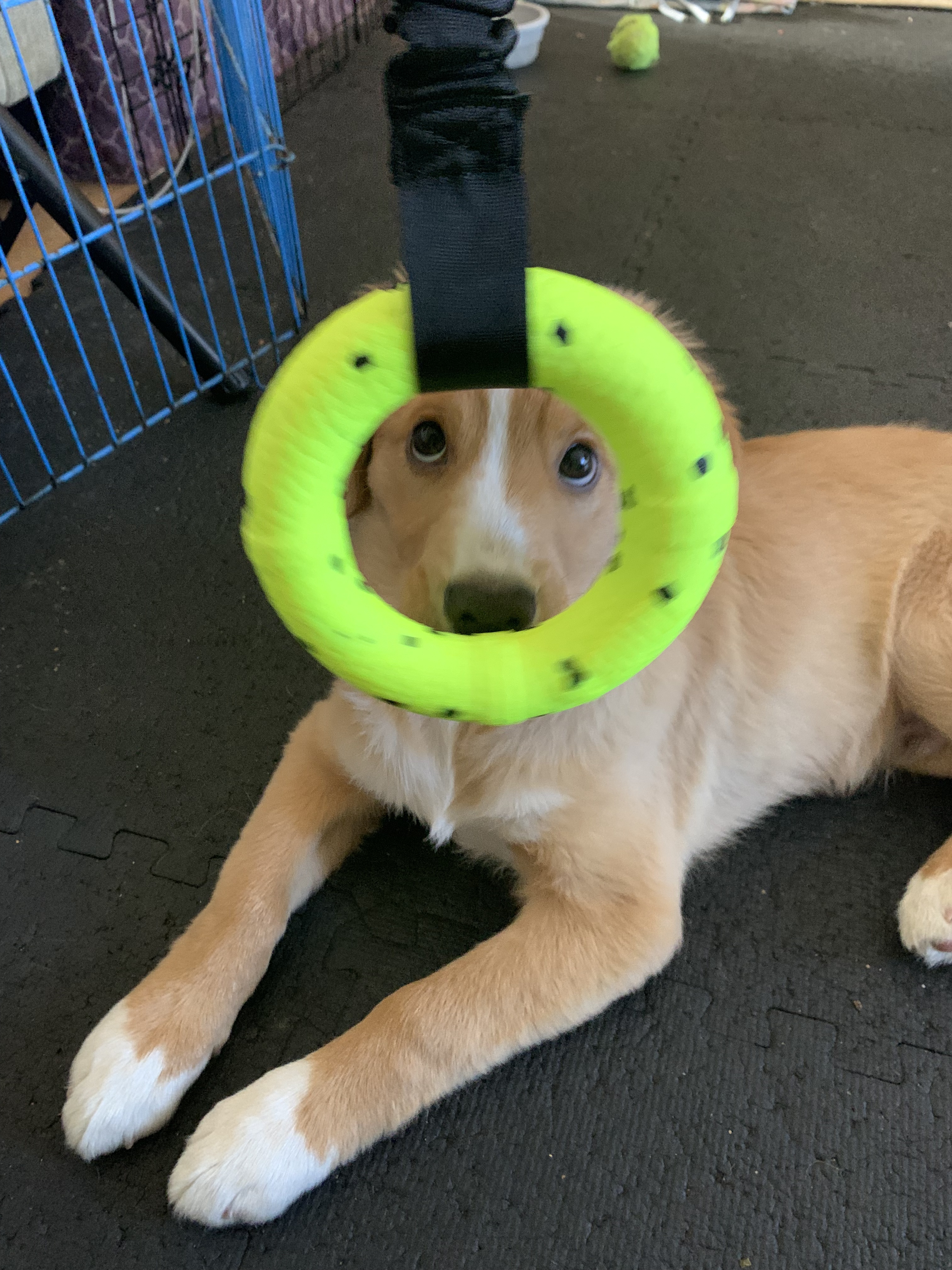
I hear you! You may need to tailor how you fulfill your dog’s needs based on their breed. First consider your dog’s breed’s purpose. Then figure out how to fulfill their specific needs. Here are some ideas to get started:
- Herding Breeds
- Purpose: Developed to herd livestock with intelligence and energy.
- Fulfillment Needs:
- High-intensity physical exercise (e.g., long hikes, agility training).
- Mental challenges like puzzle toys, obedience training, or herding trials.
- Opportunities to “work,” such as guiding or organizing toys and people.
- Sporting/Working Breeds
- Purpose: Tasks like retrieving, hunting, guarding, pulling sleds, or search and rescue.
- Fulfillment Needs:
- Vigorous daily exercise
- Jobs or responsibilities, such as carrying items in a backpack or advanced training.
- Interactive play to engage their strong bond with humans.
- Mental challenges like puzzle toys, hunting and seeking games.
- Hounds
- Purpose: Hunting by sight (sighthounds) or scent (scent hounds).
- Fulfillment Needs:
- Long walks with opportunities to sniff and explore.
- Games that mimic hunting, like tracking scents or chasing lures.
- Space to run, especially for sighthounds that love sprinting.
- Terriers
- Purpose: Digging and hunting vermin.
- Fulfillment Needs:
- High-energy activities like chasing, tug-of-war, or agility courses.
- Digging outlets (e.g., sandboxes or digging areas).
- Strong chew toys for their determined jaws.
- Toy Breeds
- Purpose: Companionship and lapdogs.
- Fulfillment Needs:
- Moderate physical activity, tailored to size.
- Social time with humans, including cuddling and interaction.
- Training or games to engage their often-intelligent minds.
- Guardians/Protective Breeds
- Purpose: Guarding livestock, homes, or people.
- Fulfillment Needs:
- Consistent, structured training to channel protective instincts.
- Daily physical exercise to prevent boredom.
- Activities that simulate guarding, such as observing or patrolling spaces.
- Primitive/Spitz Breeds
- Purpose: Hunting, pulling sleds, or surviving in harsh climates.
- Fulfillment Needs:
- Outdoor time and exploration in secure areas.
- Physical outlets like pulling carts or long walks.
- Opportunities for independent decision-making through enrichment.
- Non-Sporting/Companion Breeds
- Purpose: Varied, often companionship.
- Fulfillment Needs:
- Tailored physical and mental activities depending on individual traits.
- Regular social interaction with humans and other pets.
- Training to engage their often adaptable and versatile nature.
Fulfilling breed-specific needs reduces frustration, anxiety, and boredom, which can manifest as destructive behaviors like chewing, barking, or digging. Recognizing a breed’s innate tendencies allows owners to provide activities that feel meaningful to the dog, enhancing their mental and emotional well-being.

Premack Principle 101:
“Hokay dokay, got all that, but now how do I get my darn adolescent dog to LISTEN TO ME?”
… when you figure it out, please let me know. Puppies and adolescents are notorious for pushing boundaries and selective deafness. This said, there’s a thing you can use to your advantage with your human kids/adolescents that also works with doggos. And that’s the Premack Principle.

The Premack Principle states that a more probable behavior (something the individual likes doing) can be used as a reward for a less probable behavior (something they are less inclined to do). Remember when your Mom used to tell you that if you ate your vegetables, you could have dessert? That. It’s a principle we use all the time to motivate ourselves to do less preferred activities — “First I’ll finish my taxes and then I’ll reward myself with binging a whole season of Desperate Bake Off Housewives of Bridgerton Apocalypse!”
When applied to dog training, this principle leverages the dog’s natural preferences to reinforce desired behaviors. So how do you do this?
- Identify a Preferred Behavior: Determine what your dog loves doing, such as playing with a toy, chasing a ball, sniffing, or getting belly rubs. Not talking food rewards here, but a behavior they enjoy engaging in. It also doesn’t have to be a toy/play reward! Sometimes the reward is just getting to go back out and sniff around on a walk. (That’s how I build loose-leash walking, for example. Love to sniff? Great! First give me the slack, and I’ll let you sniff your little brains out. I call you, you come check in, and you’ll still get to go sniff after you do that!)
For example, Waffles loves playing tug and loves to fetch. He also loves to sniff and explore! - Pair It with a Less Preferred Behavior: Require your dog to perform a less desired behavior (e.g., sitting, lying down, or coming when called) before allowing access to the preferred activity.
For example, Waffles is learning how to walk on a loose leash, learning how to “stay”, and learning the recall-no-matter-what. All these things are hard! But if I tuck a ball-on-a-rope under my arm, he’ll heel all day long, off leash or on leash because eventually he knows I’m going to drop the tug and he’ll get to fetch/tug. For the “stay”, he’s learning to sit-stay and down-stay before I toss the toy to play fetch, or before I open gates or doors. For the recall, he knows that if he comes when I call (less desired behavior) he’ll be allowed to go back out and sniff (the highly desired behavior) around after checking in and allowing me to grab his collar. - Reward the Desired Action: Once your dog complies with the less preferred behavior, immediately grant access to the more preferred behavior.
For example: When we’re working on heeling, I just drop the toy on the floor and Waffles is allowed to “get-it get-it” and then we play tug. For the “stay” I now ask him for a 3-5 second stay attached to a down or sit before I throw the ball, he’s happy to oblige! If I call him to me and have him sit, I grab his collar, and then immediately release him (“Free!”) so he can go about his business.

By using the Premack Principle, you capitalize on your dog’s natural motivations to reinforce training commands without needing external treats or toys all the time. This principle helps build strong, reliable behaviors over time by associating obedience with immediate access to what they love.
My Head Hurts.
“Great, now I’m having a panic attack. Am I doing everything wrong?”
No. You’re not. Chances are you’re doing absolutely great. Puppies and Adolescents are a pain in the rear, no matter how much experience you have dealing with dogs in training. Some of the most difficult puppies I’ve ever met were those raised by expert trainers. Ask anyone who’s raised a Malinois or other high-drive, high-energy breed how adolescence was, and watch their eyes glaze over as they contemplate the memories of their dubious life choices. Sometimes it helps to hear others share their approach to shaping these little fur missiles into productive members of your household. Raising puppies is hard and often frustrating work, but it’s well worth it. Consider all this an investment you’re making into your doggo for the years of companionship ahead. Also, reward yourself for not eating the puppy when he/she’s driving you up the curtains.
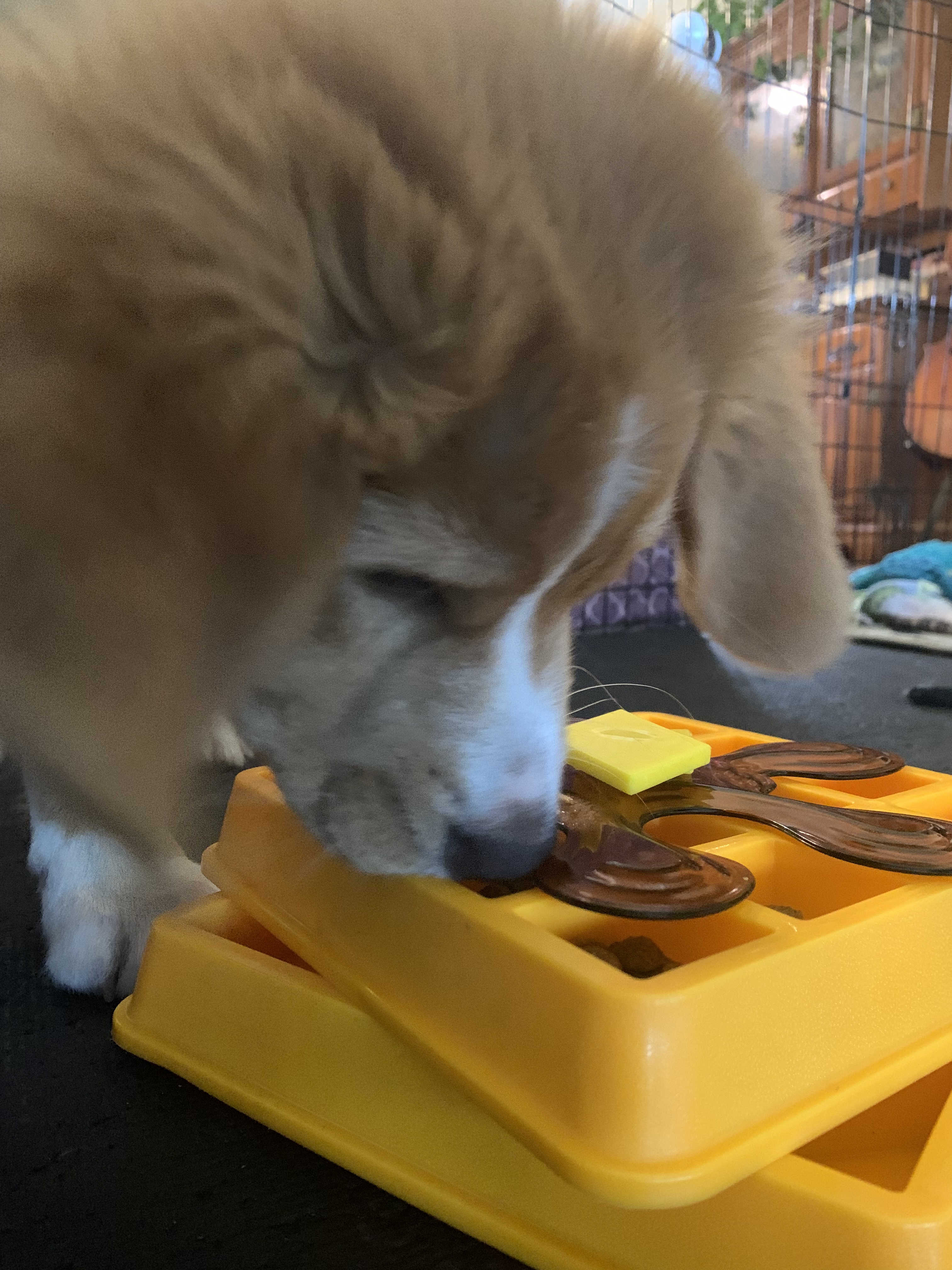
If you’re having significant issues with unwanted behaviors and reactivity, for the love of all that is furry and holy, consult a veterinarian who specializes in behavioral issues. Talk to your vet and ask for input and a referral, or call up the nearest veterinary school and ask for a behavioral consult. There’s help out there, and many ways to tailor a training program to help you and your pupper through the rough patch.
What’s Next for the Breakfast Food?
This week is more consolidation work and distraction work. We’re not really adding any commands or behaviors, but we’re going to work hard on our “stay” command and Loose Leash Walking, along with impulse control and patience. Place training is coming along too. Now it’s all about building a longer stay and settle! We’ll post training plans tomorrow, as usual!
 Keep Calm & Waffle On
Leave a comment